

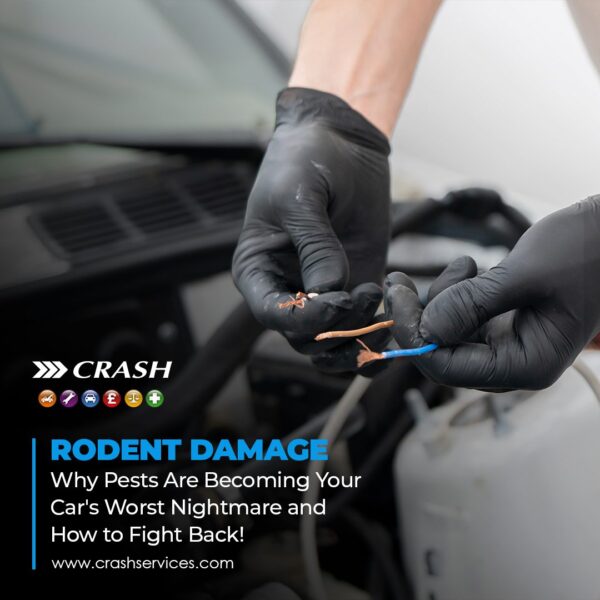
Imagine starting your car only to be met with a cascade of warning lights, a sputtering engine, or worse, a complete failure to start. The culprit? Not a mechanical fault, but a tiny, furry rodent. What once seemed like an occasional nuisance is now a rapidly growing problem for car owners across Northern Ireland.
Why Your Car is a Rodent’s Five-Star Hotel
So, why are our vehicles becoming such attractive targets? It largely boils down to comfort and convenience for these unwanted guests:
- Warmth and Shelter: Especially as temperatures drop, engine compartments offer a cozy, insulated haven from the cold.
- Food Scents: Even the smallest food crumbs or spills can lure rodents in, turning your car into a potential pantry.
- Nesting Material: The soft materials and intricate spaces within your engine bay are ideal for building a nest.
Once inside, rodents go to work. Their sharp teeth can gnaw through vital wires and cabling, leading to damage in sensors, batteries, and other critical components. They don’t stop there; fuel and water pipes are also fair game, posing serious risks to your car’s functionality and safety. This problem is particularly rife in urban areas, where high population density and extensive drainage networks provide ample opportunities for rodents to thrive and explore.
Practical Prevention Tips
The good news is there are proactive steps you can take to protect your beloved vehicle:
- Keep it Clean: Absolutely no food in the car! And try to avoid parking near bins or known areas of high rodent activity.
- Strategic Parking: If possible, park in a garage or on a hard, open surface. If you suspect an infestation, try to vary your parking spot and steer clear of drains or long grass, which offer ideal cover for rodents.
- Drive Regularly: A car that sits idle is an open invitation. Driving your car at least once a week can help disturb and deter potential lodgers.
- Consider Deterrents: Ultrasonic repellents, or even natural remedies like peppermint oil or pepper sprinkled on wiring, can act as a deterrent.
- Regular Inspections: Make it a habit to pop your bonnet and regularly check your engine bay for any signs of gnawing, droppings, or nesting materials. Early detection can save you a lot of hassle and money.
- Know Your Insurance: If you do find damage, contact your insurer promptly. Be aware that you may have to pay the excess and could lose your no-claims bonus.
Rodent damage is more than just an inconvenience; it’s a costly and potentially dangerous problem. By being vigilant and taking preventative measures, you can help ensure your car remains a rodent-free zone.
